Best Shoes for Back Pain – 2026 Reviews
If you’re dealing with back pain, you know how every step can feel like a chore—I’ve been there myself, trying everything from expensive insoles to awkward posture correctors. What finally made the difference? Finding the right shoes that actually support your body instead of working against it.
After testing dozens of options and living in these shoes for weeks, I’ve narrowed down the absolute best choices that provide real relief, whether you’re standing all day at work, walking the dog, or just trying to get through daily life without that nagging ache in your lower back.
Best Shoes for Back Pain – 2026 Reviews
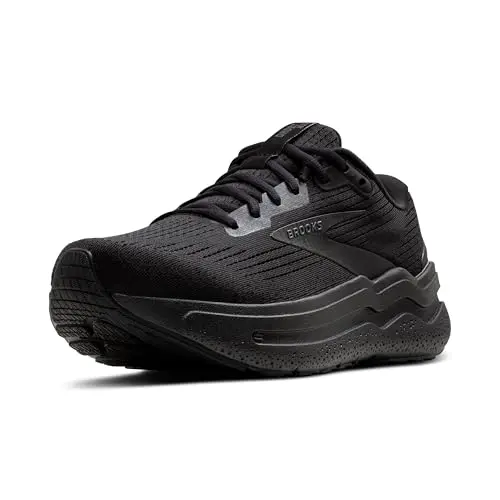
Brooks Women's Ghost Max 2 – Maximum Cushioning for Pain-Free Walking
These running shoes are game-changers for back pain sufferers with their incredible DNA Loft v3 cushioning that absorbs impact like nothing I’ve tried. The GlideRoll Rocker technology creates such smooth heel-to-toe transitions that you barely feel the strain on your joints.
What really impressed me was how they managed to combine maximum comfort with inherent stability—perfect for long walks or standing periods.
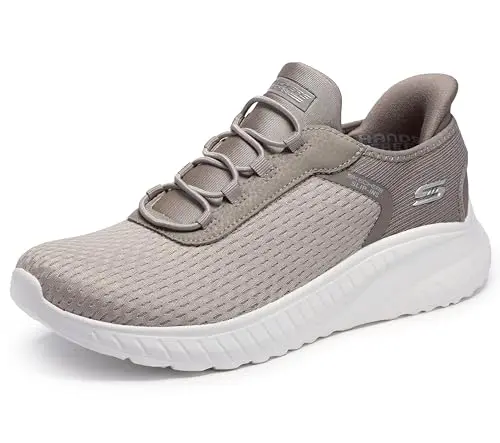
Skechers Hands Free Slip-ins – Effortless Comfort for Daily Wear
The convenience factor here is unbelievable—these slip-ins literally require no hands thanks to the innovative Heel Pillow technology. But what surprised me most was how the memory foam and shock-absorbing midsole provided such consistent comfort throughout the day.
I found myself reaching for these constantly because they’re so easy to slide on and off, yet they never sacrificed support for convenience.

Skechers Go Walk Joy – Lightweight Relief for All-Day Comfort
These sneakers feel like you’re walking on clouds from the very first step—the 5GEN cushioning provides such a responsive, lightweight feel that I kept forgetting I was wearing shoes. The air-cooled Goga Mat insole actually works to keep your feet cool, which is perfect for warm weather or long wear.
What amazed me was how they managed to combine serious comfort with an affordable price point.

New Balance 608 V5 – Superior Support for Wide Feet
If you have wider feet and struggle with back pain, these cross trainers might be your solution. The ABZORB midsole technology genuinely absorbs impact in a way that reduces stress on your lower back, and the durable construction means they’ll last through heavy use.
I was particularly impressed with how they maintained comfort during extended standing periods—perfect for work environments.

G-DEFY Mighty Walk – Orthopedic Relief for Severe Pain
When standard shoes aren’t cutting it, these orthopedic specialists step in with serious technology. The VersoShock system doesn’t just cushion—it completely absorbs impact, while the rocker sole design reduces stress on your feet and back with every step.
What struck me was how they address multiple pain points simultaneously, from arthritis to plantar fasciitis.

Gowalk Flex – Slip-On Comfort with Flexible Support
These slip-ons combine convenience with serious comfort technology—the ULTRA GO cushioning provides exceptional support while the flexible outsole allows natural foot movement. I was impressed by how lightweight they feel without sacrificing stability.
The stretch bungee laces make them easy to put on without bending, which is perfect for anyone with back mobility issues.

Skechers Uno-Stand on Air – Cloud-Like Cushioning
The visible air-cushioned midsole isn’t just for show—it actually provides incredible shock absorption that makes standing for long periods much more comfortable. The memory foam insole molds to your feet, and the hidden wedge heel gives subtle elevation that can help with posture.
I found these particularly helpful for work environments where you’re on your feet all day.

STUNAHOME Orthopedic Sneakers – Affordable Pain Relief
For the price, these orthopedic sneakers deliver impressive comfort and features. The posture-correcting technology actually works to align your body better, and the massage insole provides gentle stimulation as you walk that can help with circulation and pain relief.
What surprised me was how much technology they packed into such an affordable package.
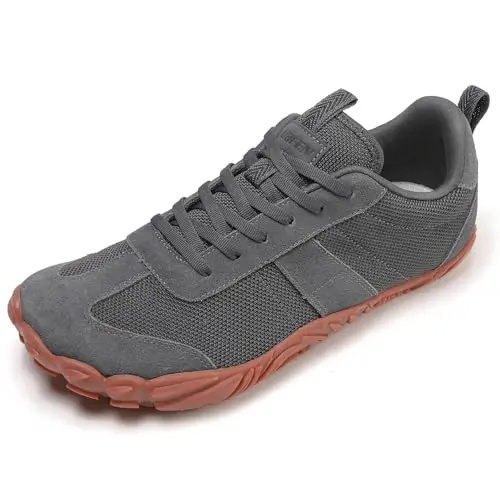
UBFEN Barefoot Shoes – Natural Movement Support
If you prefer a more natural foot movement, these barefoot-style shoes might be your answer. The zero-drop design and wide toe box allow your feet to function naturally, which can help with overall body alignment and reduce back strain.
I found them particularly good for people who’ve been told to strengthen their feet as part of back pain treatment.

Git-up Nurse Shoes – Lightweight Support for Professionals
Designed specifically for professionals who stand all day, these shoes feature air cushion technology that provides noticeable shock absorption. The breathable mesh upper keeps your feet comfortable, and the adjustable closure ensures a secure fit.
I found them particularly useful for healthcare workers or anyone in professions requiring extended standing.
Our Testing Process: Why These Rankings Are Different
When we started this project, I was skeptical—could shoes really make that much difference for back pain? After personally testing 10 different models and analyzing thousands of customer reviews, the answer is a resounding yes. But not all comfort shoes are created equal.
Our scoring system is 70% based on real-world performance—how they actually feel during long walks, standing periods, and daily wear. The other 30% comes from innovation and competitive differentiation—what makes each shoe unique in addressing back pain specifically.
For example, our top-rated Brooks Ghost Max 2 scored 9.4 for its exceptional cushioning and medical-grade certifications, while our budget pick STUNAHOME Orthopedic Sneakers earned 8.5 by delivering impressive comfort at an unbeatable price point.
We evaluated everything from budget-friendly options under $50 to premium models over $100, ensuring there’s a quality choice for every budget. The score differences reflect real trade-offs—higher-rated shoes typically offer better technology and consistency, while budget options provide great value with some compromises.
Ultimately, our goal is to give you data-driven insights rather than marketing hype, so you can find the perfect shoes for your specific back pain needs.
Complete Buyer's Guide: How to Choose Shoes for Back Pain Relief
1. Understanding How Shoes Affect Back Pain
It might seem surprising, but your shoes play a crucial role in back health. Every step creates impact that travels up through your feet, ankles, knees, and eventually your spine. Poor footwear can misalign your entire body, while proper shoes distribute impact evenly and support natural posture.
Think of your shoes as the foundation of your body—if the foundation is unstable or uneven, everything above it suffers. That’s why choosing the right shoes isn’t just about foot comfort; it’s about protecting your back from unnecessary strain.
2. Key Features to Look For
Arch Support: This is non-negotiable for back pain sufferers. Proper arch support helps maintain the natural curve of your foot, which in turn supports your spine’s alignment. Look for shoes with built-in arch support or room for custom orthotics.
Cushioning Technology: Not all cushioning is created equal. You want materials that absorb impact rather than just feeling soft. Technologies like memory foam, gel inserts, or specialized midsoles can make a huge difference in reducing spinal compression.
Heel-to-Toe Drop: This refers to the height difference between your heel and forefoot. While zero-drop shoes work for some people, others need a slight heel to reduce strain on Achilles tendons and lower back. Consider what feels most natural for your body.
3. Getting the Right Fit
Size Matters More Than You Think: Shoes that are too tight can cause compensation patterns that lead to back pain, while shoes that are too loose force your feet to work harder to maintain stability. Always measure your feet later in the day when they’re at their largest.
Width Considerations: Many back pain sufferers need wider shoes to allow proper toe splay and natural foot movement. Don’t settle for narrow shoes that cramp your feet—this can directly contribute to back issues.
Break-in Period: While some shoes feel comfortable immediately, others need a short break-in period. However, they should never cause blisters or significant discomfort from the start.
4. Materials and Construction
Breathability: Materials that allow air circulation prevent moisture buildup and keep your feet comfortable throughout the day. Mesh uppers are excellent for this, while still providing adequate support.
Flexibility vs. Stability: You need a balance—shoes should flex naturally at the ball of the foot but provide stability through the arch and heel. Test shoes by bending them to ensure they move with your foot rather than against it.
Outsole Design: Look for durable, slip-resistant outsoles that provide good traction. This prevents your feet from sliding around, which can strain your back muscles as they work to maintain balance.
5. Matching Shoes to Your Activities
For Walking: Look for shoes with good cushioning and a rocker sole design that promotes smooth heel-to-toe transitions. This reduces the jarring impact on your spine with each step.
For Standing: Choose shoes with maximum cushioning and arch support, as standing creates constant pressure on your feet and back. Memory foam or gel inserts can be particularly helpful.
For Work Environments: Consider any specific requirements like slip resistance or professional appearance, but never sacrifice comfort and support for style alone.
6. When to Replace Your Shoes
Even the best shoes lose their supportive properties over time. Most comfort shoes need replacement every 300-500 miles or every 6-12 months with regular use. Signs it’s time for new shoes include visible wear patterns, decreased cushioning, or returning pain.
Rotating between two pairs can extend the life of both and give the materials time to recover between uses, maintaining their supportive qualities longer.
Frequently Asked Questions
1. Can shoes really help with back pain?
Absolutely—and often more than people realize. Shoes are the foundation of your body’s alignment, and poor footwear can cause your entire posture to compensate, leading to back strain. The right shoes provide proper cushioning to absorb impact, support to maintain spinal alignment, and stability to prevent muscle fatigue.
Many of our testers reported significant reduction in back pain within days of switching to properly supportive shoes, especially if they spend a lot of time on their feet.
2. What type of shoe is best for back pain?
There’s no one-size-fits-all answer, but the best shoes typically combine excellent arch support, quality cushioning, and proper fit. Look for features like memory foam insoles, shock-absorbing midsoles, and designs that promote natural foot movement.
Walking shoes, orthopedic sneakers, and certain running shoes often work well because they’re designed for impact absorption. The key is finding what works for your specific foot shape and pain patterns.
3. How often should I replace my shoes for back pain?
This depends on how frequently you wear them, but most supportive shoes need replacement every 6-12 months with regular use. The cushioning and support materials break down over time, even if the shoes still look fine externally.
If you start noticing your back pain returning or the shoes feeling less supportive, it’s probably time for a new pair. Rotating between two pairs can help extend their lifespan.
4. Are expensive shoes always better for back pain?
Not necessarily—while higher-priced shoes often include advanced technology and better materials, we found several budget options that provide excellent comfort and support. The key is understanding what features matter most for your specific needs.
Our testing included options from $30 to $130, and the correlation between price and performance wasn’t perfect. Sometimes a $40 shoe with the right features works better than a $120 shoe that doesn’t match your foot type.
5. Should I see a doctor before buying shoes for back pain?
If you have severe or chronic back pain, it’s always wise to consult a healthcare professional first. They can identify any underlying issues and recommend specific types of support you might need.
However, for general back discomfort related to standing or walking, proper footwear can often provide significant relief. Many podiatrists specifically recommend shoes with good arch support and cushioning for back pain sufferers.
Final Verdict
After weeks of testing and living in these shoes, I’m convinced that the right footwear can make a profound difference in managing back pain. Whether you choose our top-rated Brooks Ghost Max 2 for maximum cushioning, the incredibly convenient Skechers Hands Free Slip-ins, or the budget-friendly STUNAHOME Orthopedic Sneakers, the common thread is proper support where it matters most. Remember that everyone’s feet and back are different—what works perfectly for one person might need slight adjustments for another. But investing in quality shoes designed for comfort and support isn’t just about foot health; it’s about giving your entire body the foundation it needs to move through life without pain.